.svg)
“In Havana, Blackness appeared both familiar and rearranged in faces that looked like cousins, in sounds that felt ancestral, and in a landscape marked by revolution and survival [...] Cuba gave me one of my first embodied lessons in diaspora as both inheritance and rupture. Those two weeks of exchange were proof that Black life had traveled, adapted, and remained, even across empire and time.”
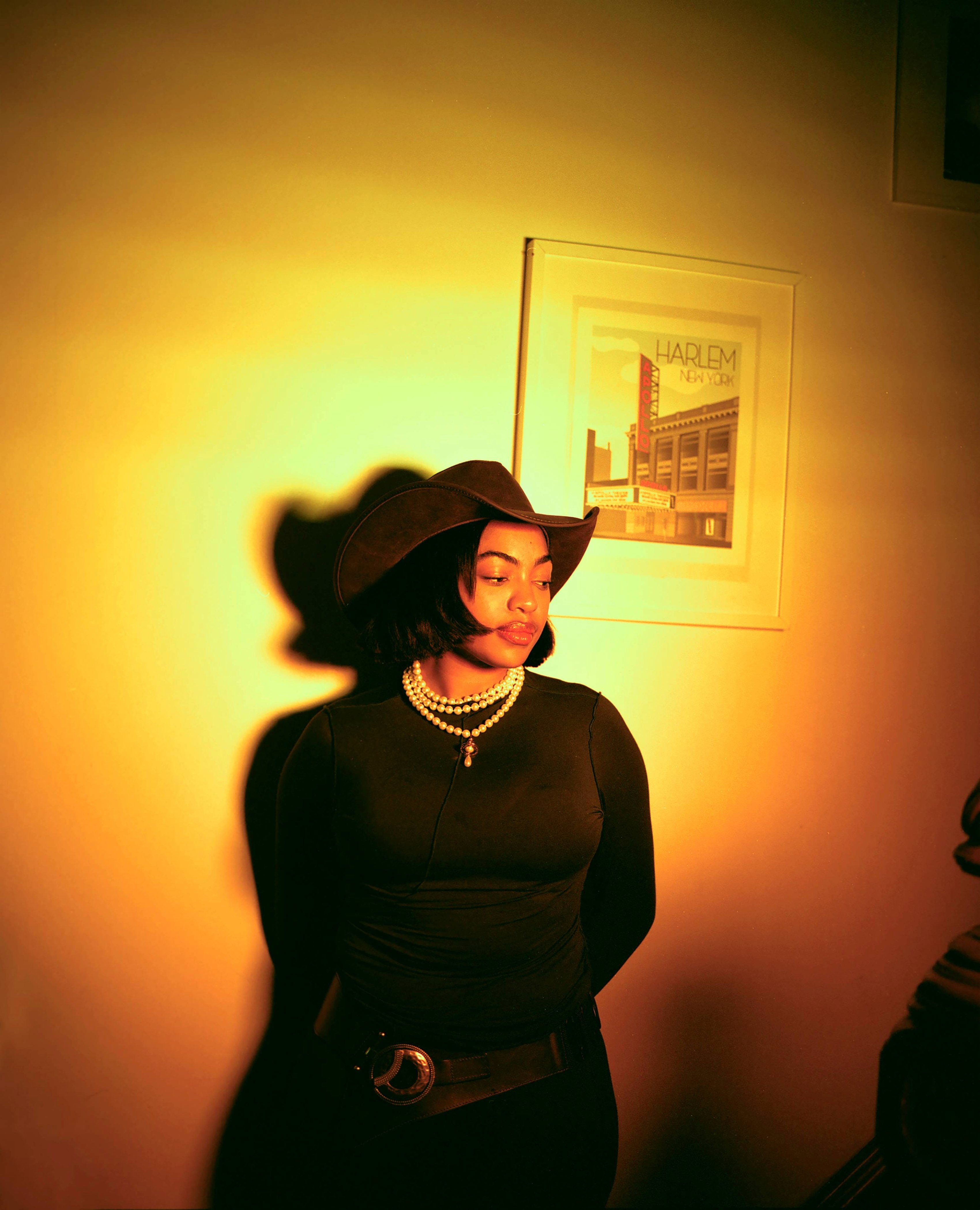
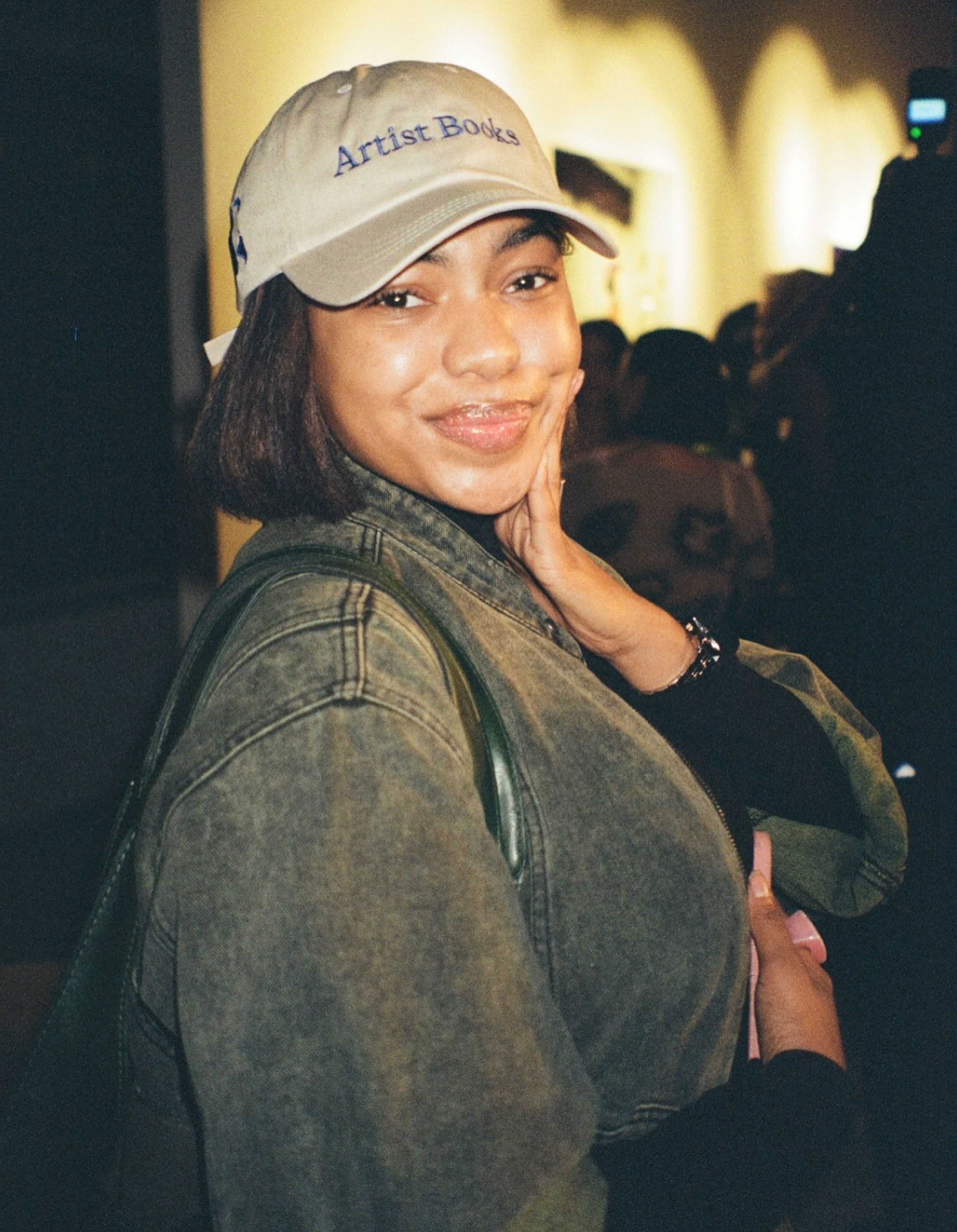
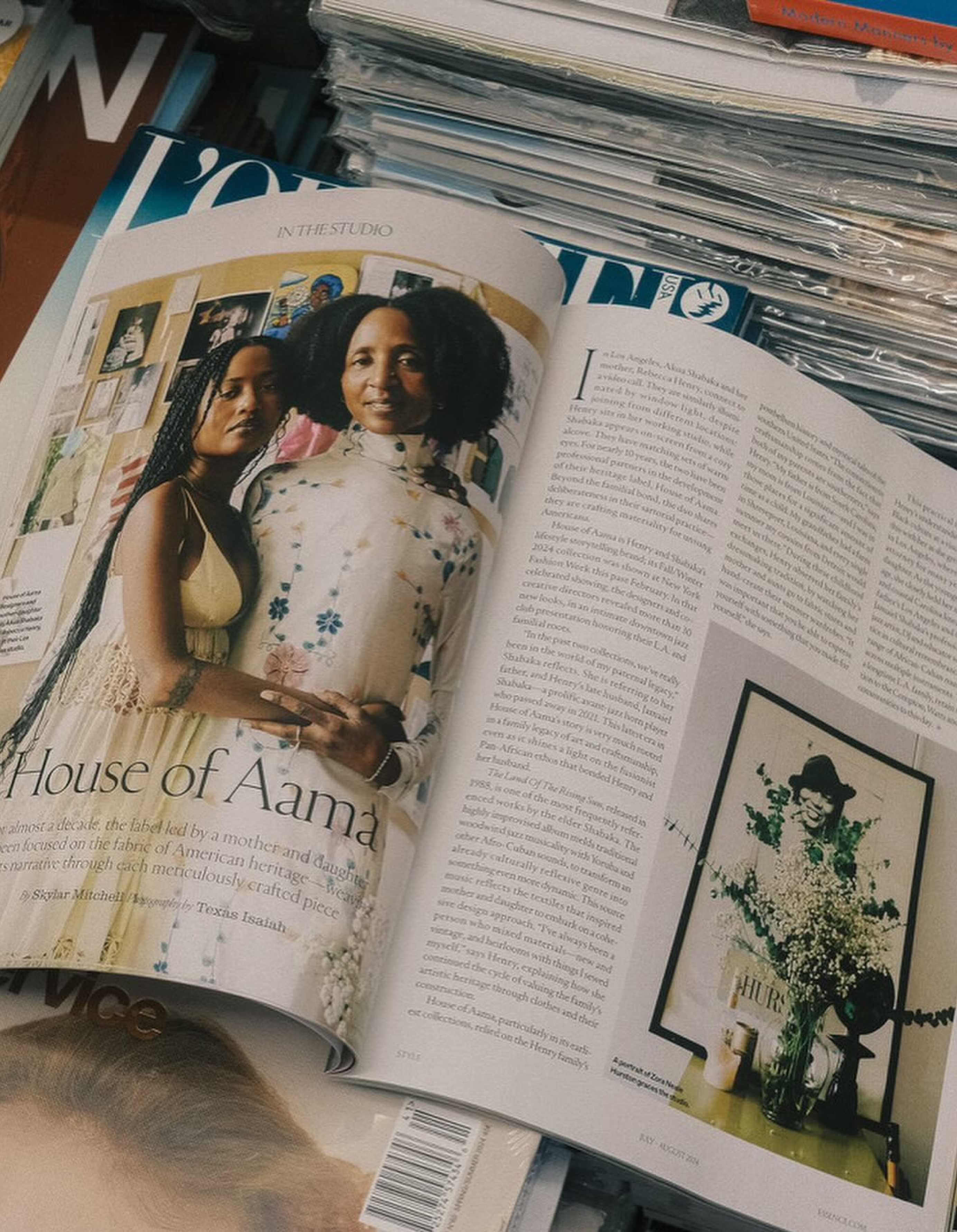
Whether through the intimate details of history uncovered in travel or the lives of historical figures in comparative literature and global thought at Spelman and Columbia, writer Skylar Mitchell approaches her work with curiosity and reverence for Black history and the voices that reframe generative narratives. With bylines in The New York Times, Essence, and Teen Vogue, she connects personal and historical Black experiences to influence broader cultural conversations like Pharrell’s collab with Louis Vuitton and Black fashion influencers. While only a sophomore at Spelman, Mitchell wrote her first byline for The New York Times on choosing an HBCU. Ten years later, in a follow-up piece, she reflects, “I wanted to be among other Black women for whom my presence needed no annotation.”
Mitchell’s commitment to understanding her own identity extends to understanding others. She respects and appreciates individuality and cares to learn the unique stories that each person carries. When asked about her most memorable gift, Mitchell recalls an original signed print from her favorite photography collection, Subway by Bruce Davison, gifted to her by a former partner. “Not only is it the most valuable piece of photo history I’ve ever owned, but it is one of the most thoughtful gifts I’ve ever received," she shares. Subway is not just any collection; it is a reverence for the city her parents once called home in the 1970s and 80s, as well as a blueprint for Mitchell’s own experience navigating NYC. The history embedded in the work and the intimacy of the gesture only exist as a byproduct of listening: she to her parents’ stories of a New York that shaped them, and her former partner to her during one of their first dates about her favorite photography collection.
Her recommended gifts come with meaningful personal anecdotes about discovering Sheila Bridges’ iconic Harlem Toile de Jouy design in her aunt’s guest bathroom, receiving a Dammit Doll from her mother during college, or being gifted The Periodic Table of Black Revolutionaries by printmaker Leslie Diuguid. Mitchell’s thoughtfulness in connecting with others is reflected in the way she moves through the world with and for one another, the stories she shares, and the gifts she chooses.
.svg)
Photographed by Adriel Michelle
1.
Becky Kim: Hi Skylar! At 19, you became one of the youngest people to publish an op-ed in The New York Times, a piece written during your sophomore year about your experience at Spelman. Almost a decade later, you reflected on it with the context of how the cultural landscape has shifted since then. What inspired you to share your initial story, and what kinds of conversations have you seen it open up?
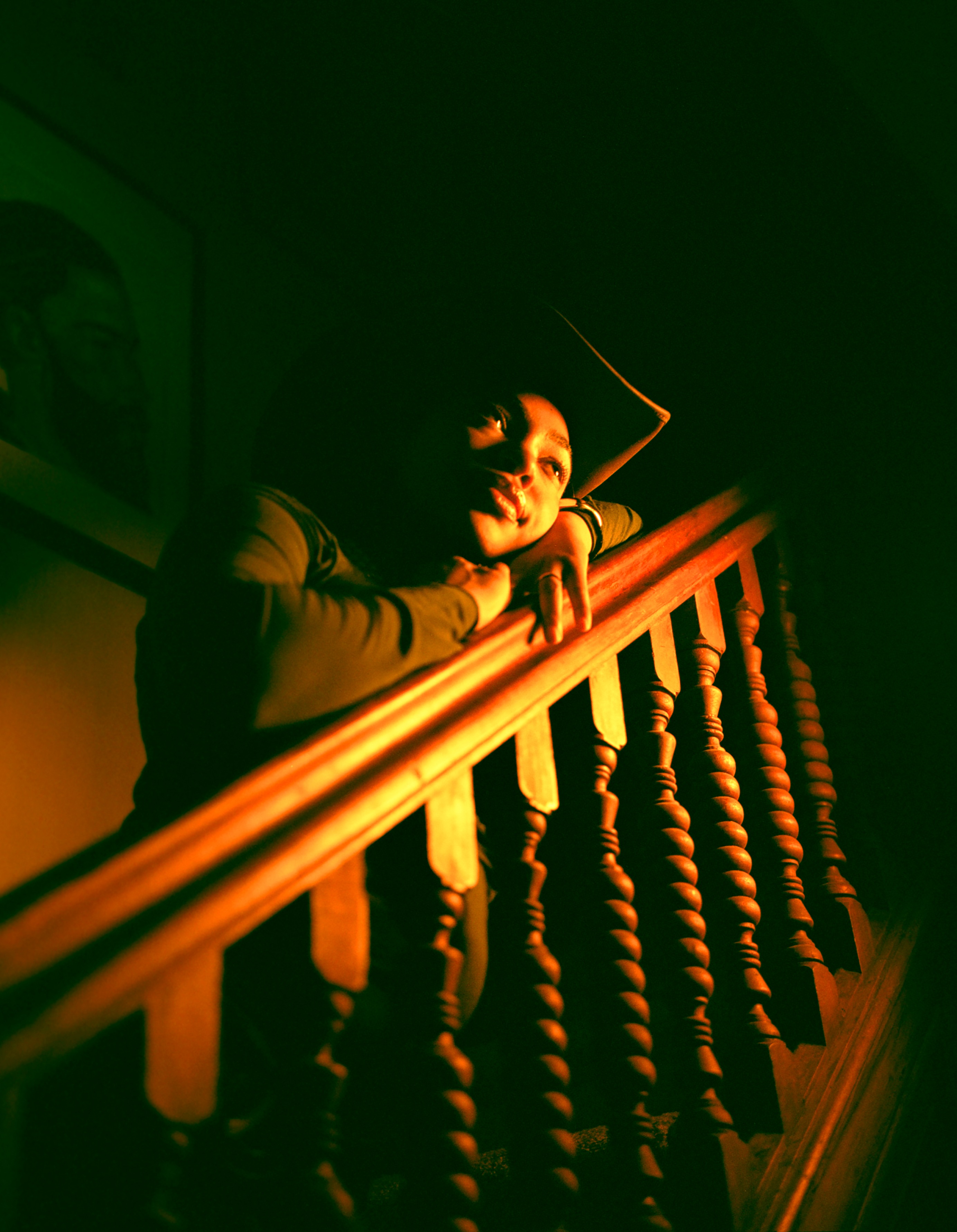
Skylar Mitchell: When I first contributed to the New York Times Opinion section, it was very much by accident. I was a 19-year-old intern with Spelman’s Office of Communications, fielding press inquiries on behalf of the department. When the pitch came in from the journalist who eventually became my editor, it was reminiscent of questions I had gotten from people who didn’t understand my decision to attend an HBCU. The original prompt was something along the lines of, “Why choose an HBCU if you have so many other options?” and I took issue with the premise of the question. The framing that historically Black colleges and universities are somehow secondary to predominantly white schools is rooted in our nation’s racial undermining of African American institutions, something I’ve always taken issue with. I initially just wanted to express my grievance with the question, but I was so impassioned that the journalist suggested I write the story myself. I’m incredibly grateful to have been given the space and time to channel years' worth of memoir into the essay that became my first byline. I think my narrative––Black girl who grew up in a predominantly white neighborhood, navigating highly competitive academic environments––resonates with a lot of people. There is a double consciousness that occurs as a person of color in white space that deeply affects one's worldview. Going to Spelman was my way of dissecting that experience while reclaiming my academic experience.
Photographed by Adriel Michelle
2.
BK: Throughout your journey studying Comparative Women's Studies at Spelman and then pursuing your Master’s in Global Thought at Columbia, I can only imagine how your experiences have been shaped by powerful and diverse voices and thinkers. If you had to put together a starter kit of books that have most influenced the way you see the world, what would you share?
SM: Being a Comparative Women’s Studies major was one of the best things I could have done for my praxis as a writer and researcher. I was so fortunate to be taught by professors who worked from a critical pedagogical tradition, deconstructing the simultaneous hegemonies that frame the world we move through. A few books really stand out.
First, for an introduction to Black Feminist Thought across scholarly frameworks, I recommend Words of Fire: An Anthology of African-American Feminist Thought (1995) edited by my professor and mentor, Dr. Beverly Guy-Sheftall. There are readings from more than sixty Black women writers spanning a timeline from abolition through the women’s rights movement and onward.
When I took a class in grad school called “Locke and DuBois: Black Aesthetics, Culture, and Race Theory,” I had to read essays by W.E.B. DuBois and Alain Locke and place them in conversation with one another. I was familiar with them within the oeuvre of Black studies, but hadn’t read much of their writings before then, and it was so fun. Alain Locke was the philosophical architect of the New Negro Movement, and I recommend reading the anthology, The Works of Alain Locke edited by Charles Molesworth, to get a sense of his evaluations on art and creative production.
Around this same time, I also took a class called Art in Protest: Protest in Art. My professor Ramona Bajema is one of the best instructors I’ve ever had, and her class came at a time when I was really trying to expand my art knowledge. The text we referred to most was an essay collection titled Protest: The Aesthetics of Resistance by the Zurich University of the Arts. It draws on visual theory and culturalstudies to connect various political moments and public interrogations of power with the semiotics that defined them.
3.
BK: With a globally informed upbringing and a curiosity for the world, including studying in Lisbon and Paris, you have an eye for culture, food, fashion, and style. What are your must-dos when you’re exploring a new city, and are there any finds you always make sure to bring back?
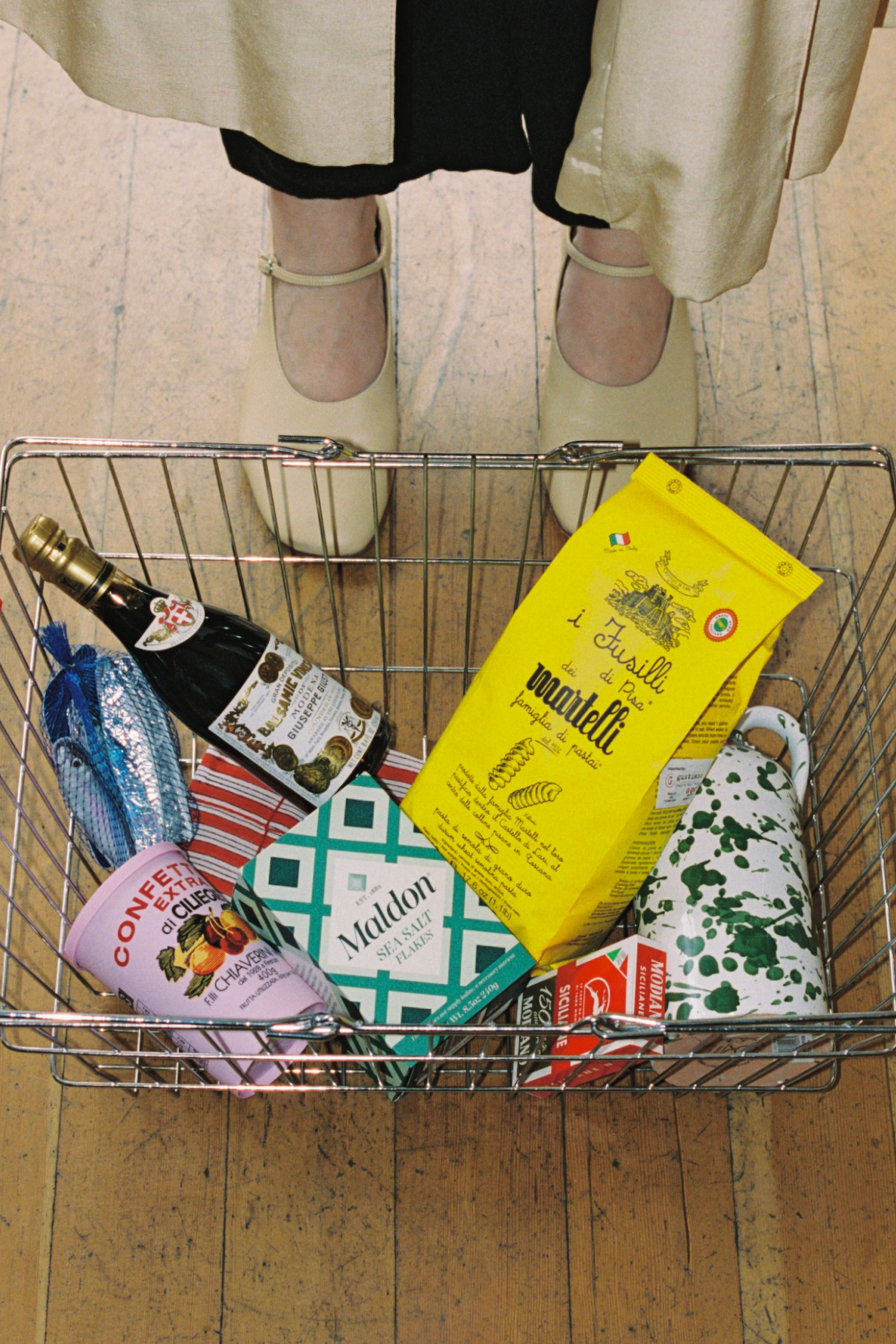
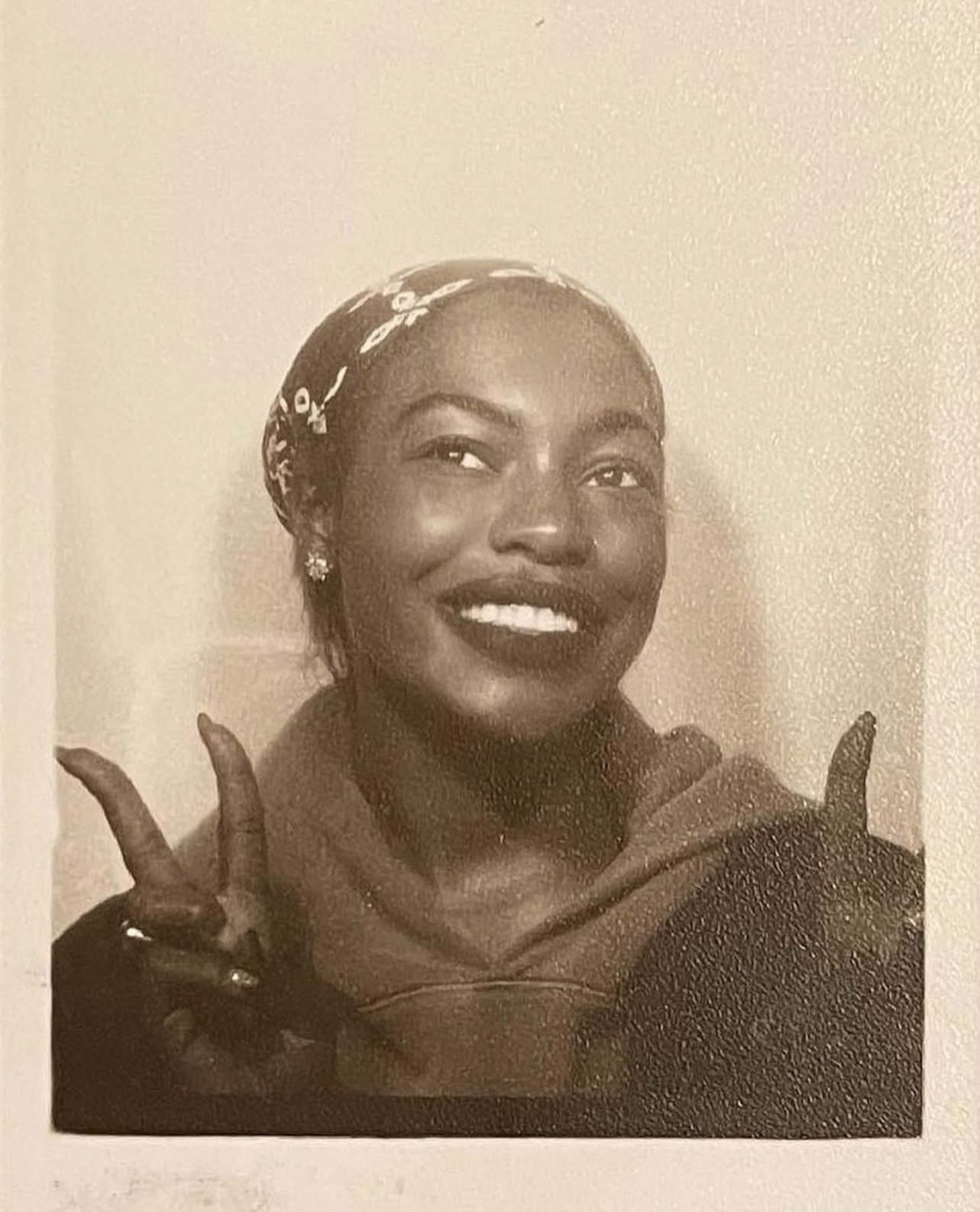
SM: I’ve been very lucky to travel independently from a very young age, visiting new countries without my family more often than not. I’ve done guided tour groups and solo trips, but no matter the trip structure, I definitely try to find the second-hand stores, bazaars, and flea markets. Not only do they carry really great wares and clothes, but they are also unique eyes into the histories of the cities I’m visiting. The vendors at these markets often have really dynamic personal stories and are always down to talk to travelers. I've made friends while shopping, and the things I’ve collected are some of my most treasured items.
.svg)
4.
BK: Having moved to New York, what are the neighborhood gems we would find you at?
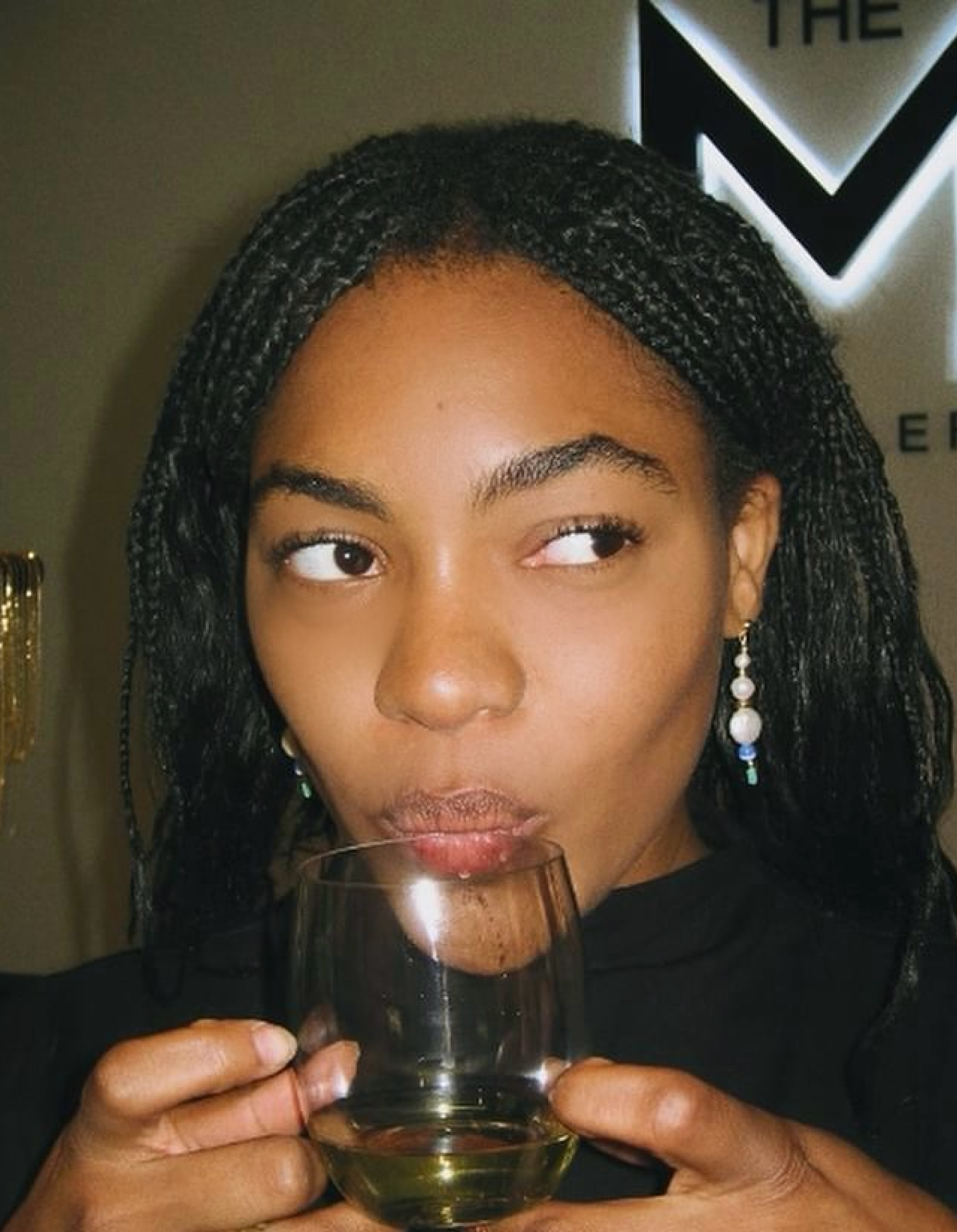
SM: I live in Brooklyn now, but when I spent my first two years in Harlem, you could always find me at the Schomburg. It was my favorite third space near where I lived on St. Nicholas and was also within walking distance of some great restaurants. Since moving to Bed Stuy, I’m more of a bar-crawler and try to go to different spots every time I go out. My favorite is a wine bar on Marcus Garvey called Frog, though. It has a Parisian vibe with bistro tables in an outdoor garden where you can smoke with your wine. It’s a cozy and unpretentious place to catch up with friends.
Skylar's Favorite Gift Recommendations
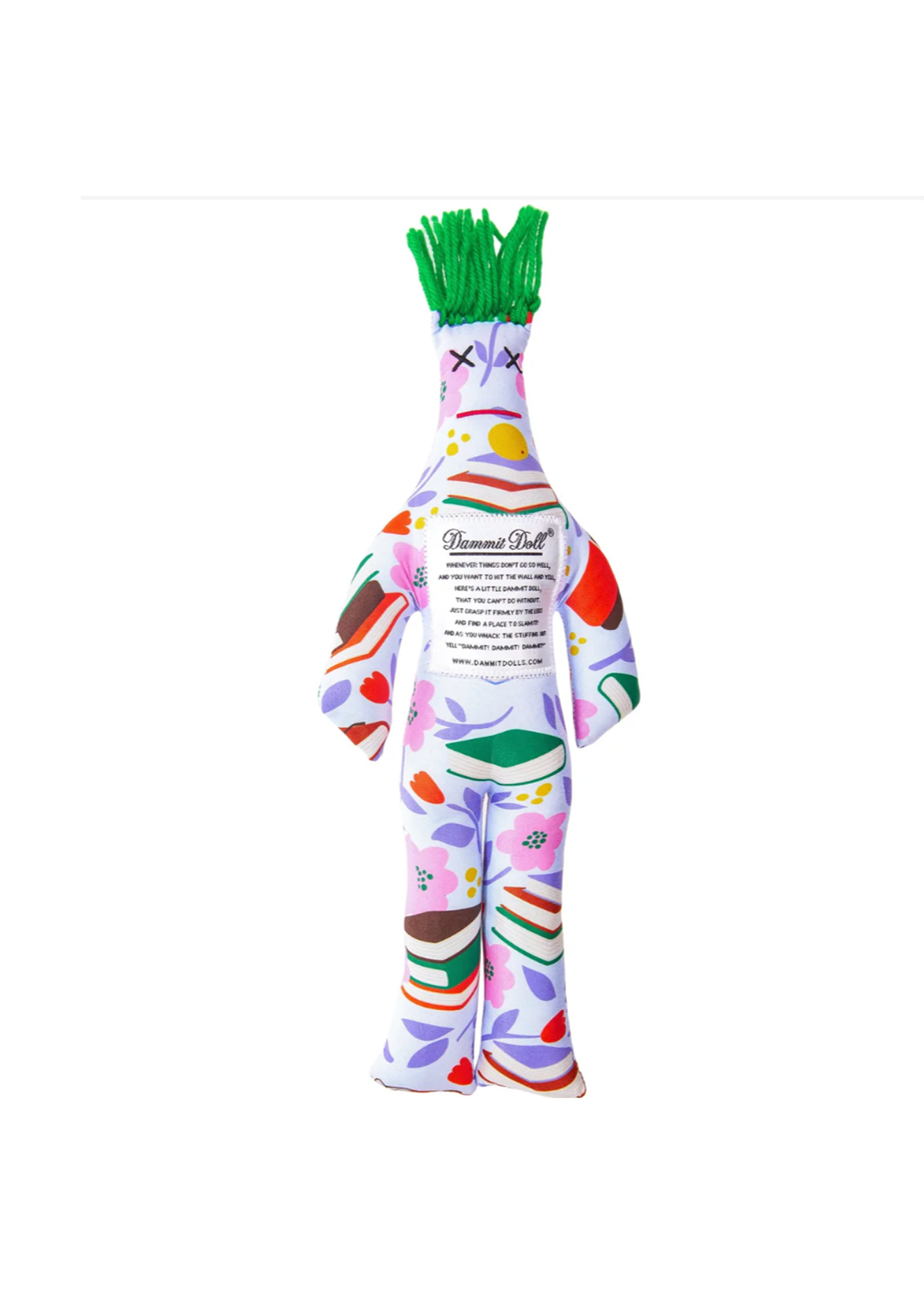
Dammit
The Bookworm Doll
$20
I received a Dammit Doll from my mom sometime in college, almost ten years ago. I was in the early stages of a now-lifelong interrogation of mental health and anxiety, and was going through a lot. In the midst of a lot of heavy emotions, I really appreciated this tongue-in-cheek yet functional gift. There’s a little nursery rhyme etched on every doll that tells you to swing it by the legs in times of stress and yell “dammit, dammit, dammit.” On the one hand, it’s a silly toy, but it’s also a cute reminder to take care of yourself in whatever way that works for you.
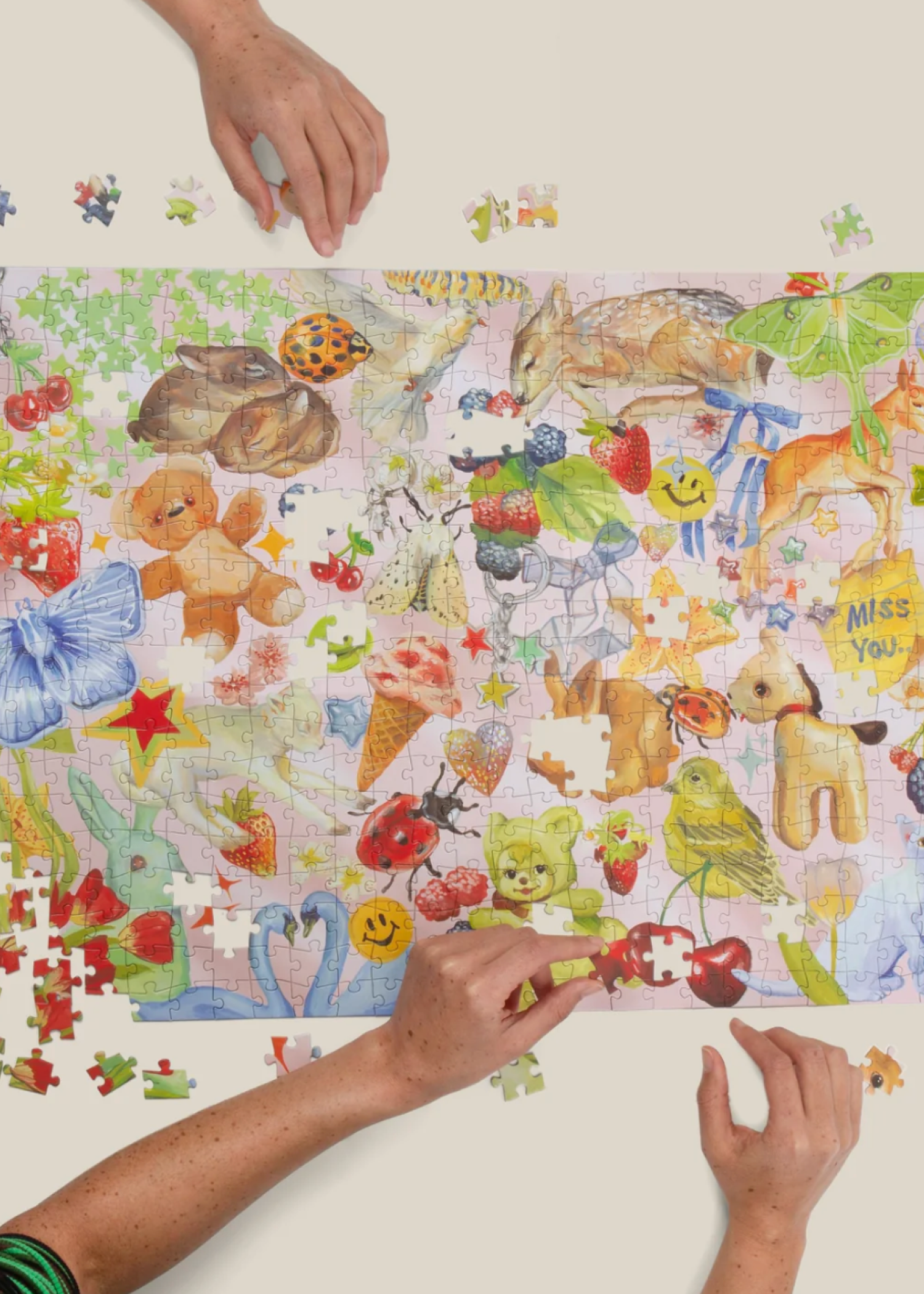
Salem Goods
Sweet Solitude Puzzle
$32
I’ve been a fan of the model Salem Mitchell for years and was so excited when I learned she was starting her own puzzle business. One of her slogans is “mindfulness can be playful,” and I think that encapsulates the soothing quality of completing a puzzle.
Williams & Sonoma
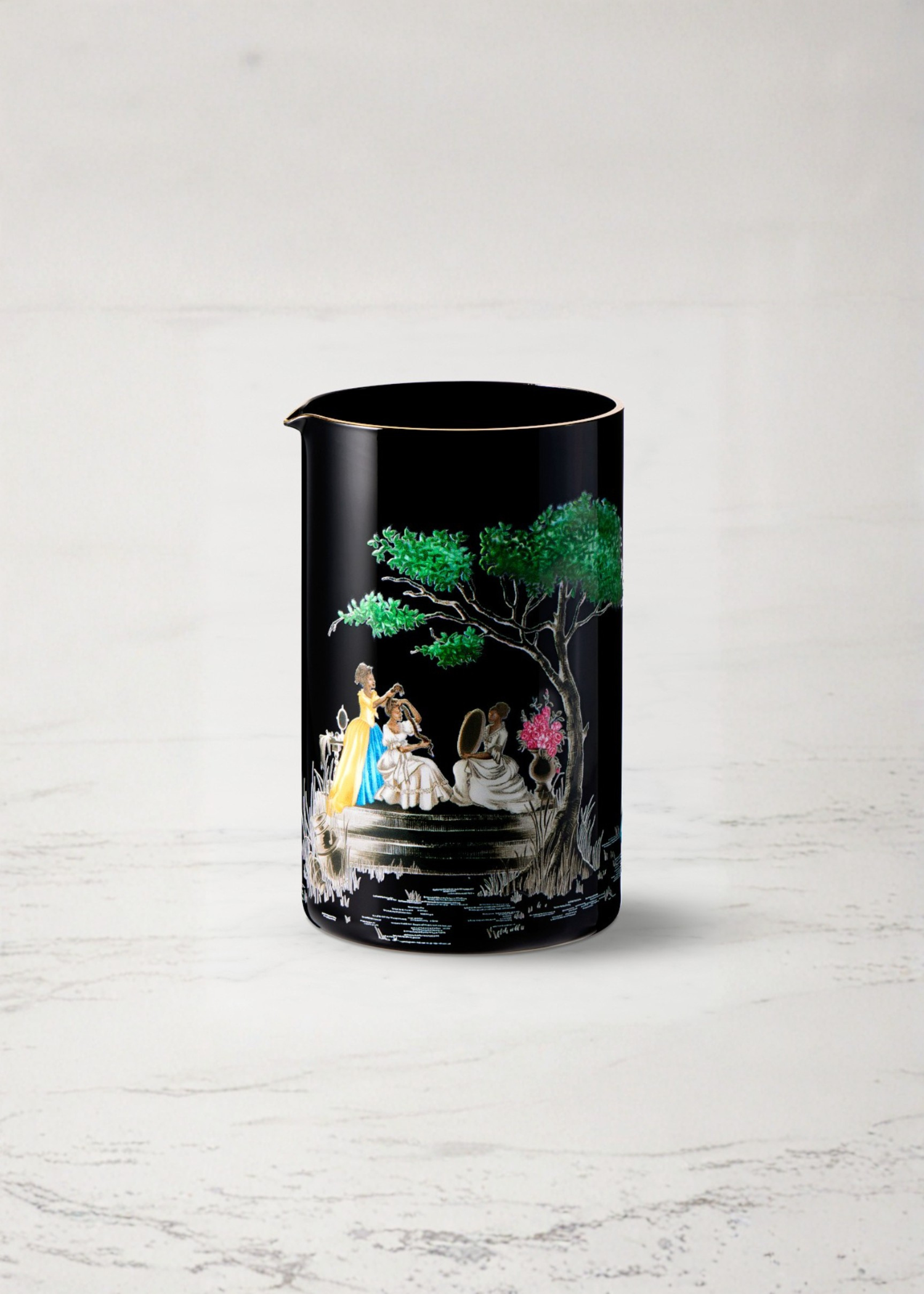
Sheila Bridges x Williams Sonoma Harlem Toile Mixing Glass
I discovered Sheila Bridges’ work through my aunt, who had her guest bathroom outfitted with the designer's signature wallpaper. Bridges is a super creative Harlem-raised artist who created the Harlem Toile de Jouy design as a wall covering that has since expanded to fabrics, bedding, plates, and clothing. The toile design reimagines traditional 18th and 19th century toile and damask designs into adorable scenes reminiscent of the African American experience––dancing, playing basketball, doing each other’s hair, etc. Visually, it’s very transporting, and it’s fun to imagine myself in these gilded scenes.
Du-Good Press
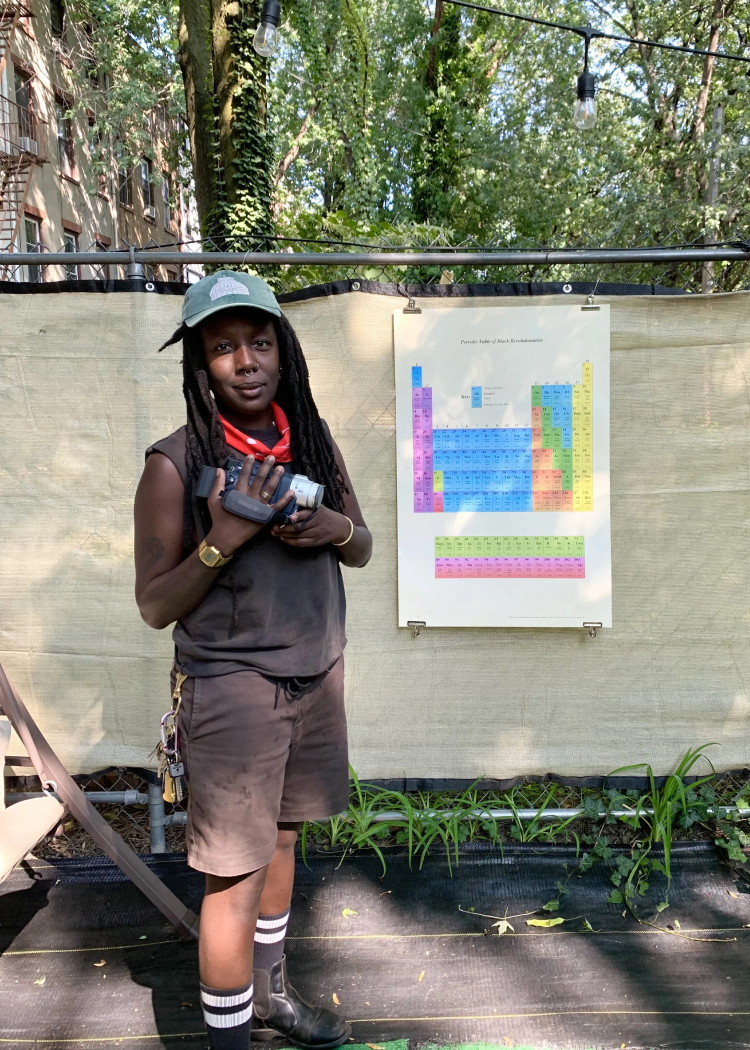
The Periodic Table of Black Revolutionaries by Char Jeré 2nd Edition
$100
I love independent publishing houses and follow a number of artists in the print-making space. Du-Good Press is a local fine art screenprinting studio based in Brooklyn, founded by master printmaker Leslie Diuguid. I’ve been lucky enough to meet Leslie a few times and took one of her screenprinting classes during the Black Zine Fair. One time, I stopped by the Du-Good Press studio and started chatting with Leslie about her work. By the end of our time together, she generously gave me a poster of The Periodic Table of Black Revolutionaries, which she designed with the artist Char Jeré. It’s a beautifully made and thoughtfully referential piece of Black fractalist art.
Photographer Adrienne Salinger
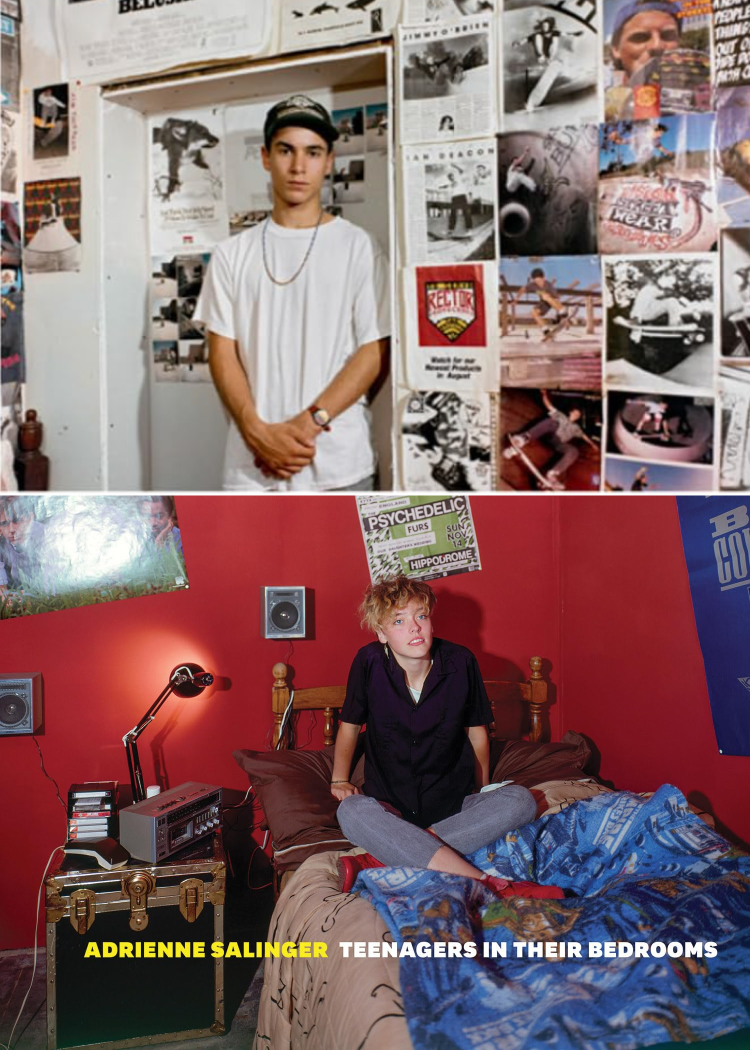
In My Room: Teenagers in Their Bedrooms (1995)
I’ve long collected photobooks and coffee-table books, and the hard-to-find vintage editions are among my most prized possessions. Adrienne Salinger’s work is one of the most iconic examples of documentary photography, and I was lucky enough to find my copy on eBay. It has become one of those rare pieces that gives real depth and character to my photography library.
Tsu Lange Yor
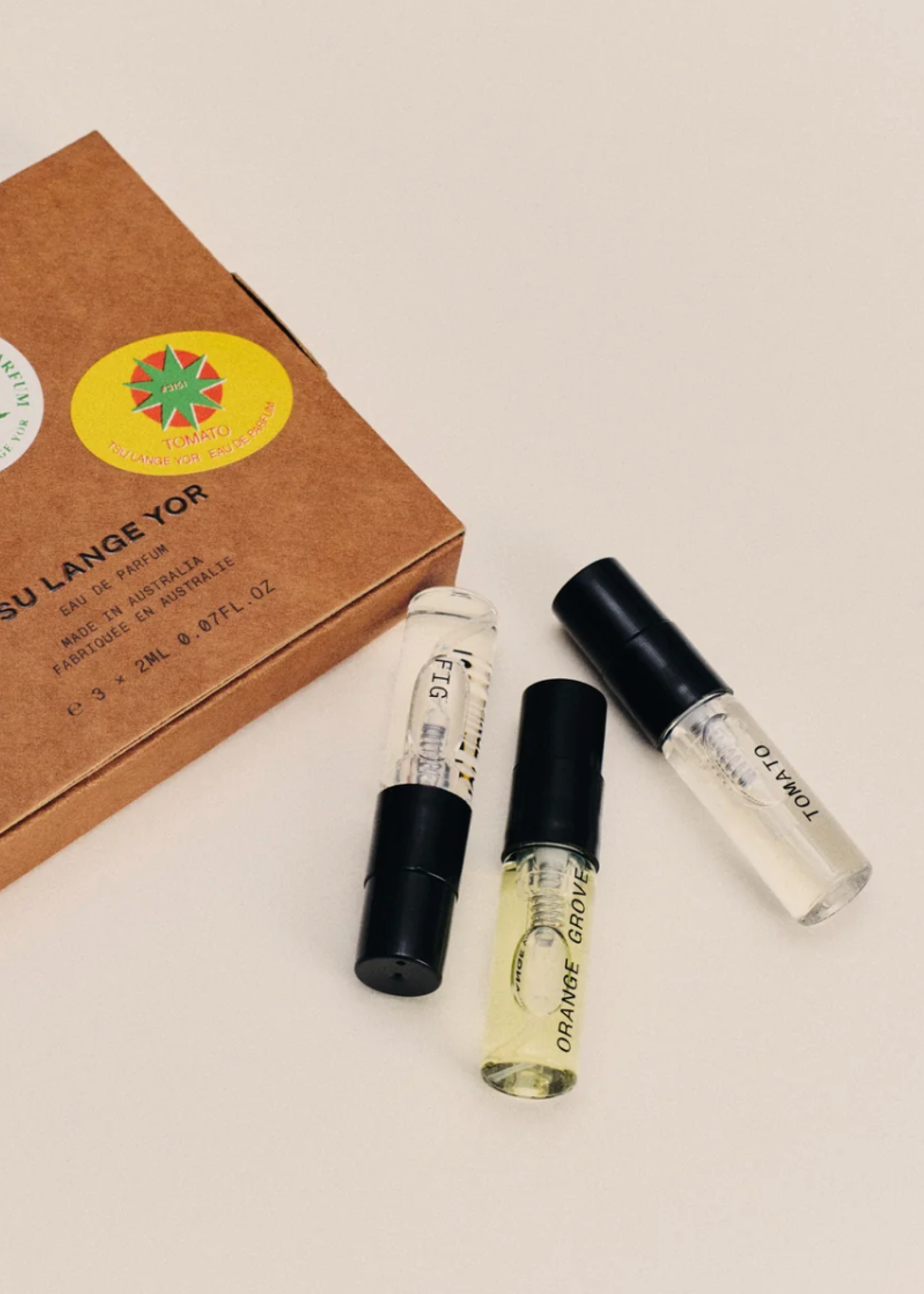
DISCOVERY of THE GARDEN fragrance collection.
$36
I love Troye Sivan, and when I learned he was getting into fragrance, I thought it was such a fitting next act for the pop star. Tsu Lange Yor is Yiddish for “To Long Years,” and is the namesake of his new perfume collection. The Garden discovery set is the perfect place to begin, offering an intimate introduction to the brand’s world of scent, space, sensuality, and soul.
.svg)
5.
BK: What’s one of your favorite gifting traditions?
SM: My favorite gifting tradition is Christmas morning, which is perhaps not an unexpected answer, but still the one that feels most comforting. There is something tender about the ritual of it––the slow gathering in pajamas, waiting upstairs with bated breath for the okay to go downstairs, the soft chaos of wrapping paper. At its best, Christmas morning is not really about the objects themselves, but about the feeling of being known and embraced in an annual choreography of warmth.
.jpeg)
6.
BK: What's the most seen and known you've ever felt from a gift someone gave you?
SM: My former partner is a photographer and creative advisor specializing in image making. They’re also a native New Yorker, and I think during our relationship, I grew more knowledgeable about the semiotics of city life through our proximity. For years, I was fascinated by the history and imagery of 1970s and 80s New York, partly because that is the NYC my parents grew up in, and partly because it gave me a visual rubric for the symbols that have become part of my daily life since moving here. For those reasons, my favorite photography collection is Subway by Bruce Davidson, something I shared with my former partner on one of our first dates. On my 28th birthday, they got me an original print from that collection, signed by Davidson and everything. Not only is it the most valuable piece of photo history I’ve ever owned, but it is one of the most thoughtful gifts I’ve ever received.
7.
BK: If you could let someone live a moment in your life to experience as a gift, what would it be?
SM: I traveled to Cuba when I was around twenty. It was in that short-lived window at the tail end of the Obama administration when it was easier to go to the islandas a tourist or student. Every day felt like a lesson and a welcome. We met people whose lives were not mine, whose language I did not fully share, butwhose warmth made each interaction feel ceremonial. What felt magical was the intimacy of recognition. In Havana, Blackness appeared both familiar andrearranged in faces that looked like cousins, in sounds that felt ancestral, and in a landscape marked by revolution and survival. I was young enough to bestartled by that closeness, but old enough to understand that the histories that made us kin were complex and storied. Cuba gave me one of my firstembodied lessons in diaspora as both inheritance and rupture. Those two weeks of exchange were proof that Black life had traveled, adapted, and remained,even across empire and time.
8.
BK: We all love a Gemini! What's the most Gemini thing about you that people who know you would immediately recognize?
SM: I am so proud to be a Gemini. I think it’s one of my defining features, and ever sinceI started learning about astrology, I’ve become more assured in my life’s mirroring of what it means to be the astrological twins. I think the most Gemini thing about me is that I don’t judge, and I can get along with pretty much anyone. I end up in a lot of situations that introduce me to people who are different from me and relish experiences that challenge my worldview.
9.
BK: What’s your favorite writing rule to break or one that’s overrated?
SM: I think there’s no need to write in order.I start essays with body paragraphs more often than not, filling out the main content of a story before synthesizing everything in my introduction and conclusion. I prefer the puzzle format of writing this way.
10.
BK: Who are some people in your orbit right now, whether it’s friends, collaborators, or peers, who are doing work that excites you?
SM: I feel very fortunate to have friends across disciplines who are all simultaneously in a place of creative envelopment, each allowing their practices to become more porous and alive to the work moving through them. My friend Safy Hallan Farah, also known by her pen name Princess Babygirl, is writing one of the most dynamic bildungsroman stories about identity, trauma, and self-realization. Her novel will likely come out sometime in the next two years, and I’ve been having a really special time being a small part of her writing process, sharing in the lived experiences that later inform her pages. I have another friend who goes by the stage name DreamcastMoe, who is a percussionist, singer, and producer. Our friendship is one of those successes of mutual internet admiration. He’s a true pen pal, and we rarely see each other in person, but I think his music is some of the most innovative work in R&B right now. He traverses genres in a way that feels distinctly nostalgic yet entirely original.

.png)